
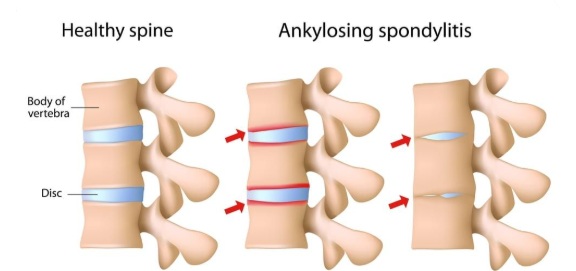
What Is Ankylosing Spondylitis?

ANKYLOSING SPONDYLITIS

Understanding AS

Ankylosing Spondylitis
DEFINITION

Definition:

Ankylosing spondylitis (AS) is a chronic, inflammatory type of arthritis that primarily affects the joints and ligaments in the spine and the sacroiliac joints (where the spine connects to the pelvis). 

CAUSES

Causes:

  • Spinal Fusion: Over time, chronic inflammation can cause the body to form new bone in an attempt to heal, gradually bridging the gaps between the vertebrae (spine bones) and fusing them together into a rigid, immobile structure.
  • Genetics: The condition is strongly linked to a genetic marker called HLA-B27, though not everyone with the gene develops AS.
  • Onset: Symptoms typically begin in late adolescence or early adulthood (usually between ages 17 and 45) and affect men more often than women.
Ankylosing Spondylitis
SYMPTOMS

Symptoms:

  • Inflammatory Back Pain: Dull, chronic pain and stiffness in the lower back and buttocks that is typically worse in the morning or after long periods of inactivity, and improves with movement and exercise (unlike mechanical back pain).
  • Limited Mobility: Gradual loss of flexibility in the spine, which can eventually lead to a fixed or hunched forward posture (kyphosis).
  • Other Affected Areas: Pain or swelling in peripheral joints (like the hips, knees, or shoulders), inflammation where tendons attach to bone (enthesitis, such as Achilles tendon pain), eye inflammation (uveitis), or digestive tract issues.
COMPLICATIONS

Complications:

The complications can be generalized as - permanent spinal fusion, severe loss of mobility, and damage to other organs.
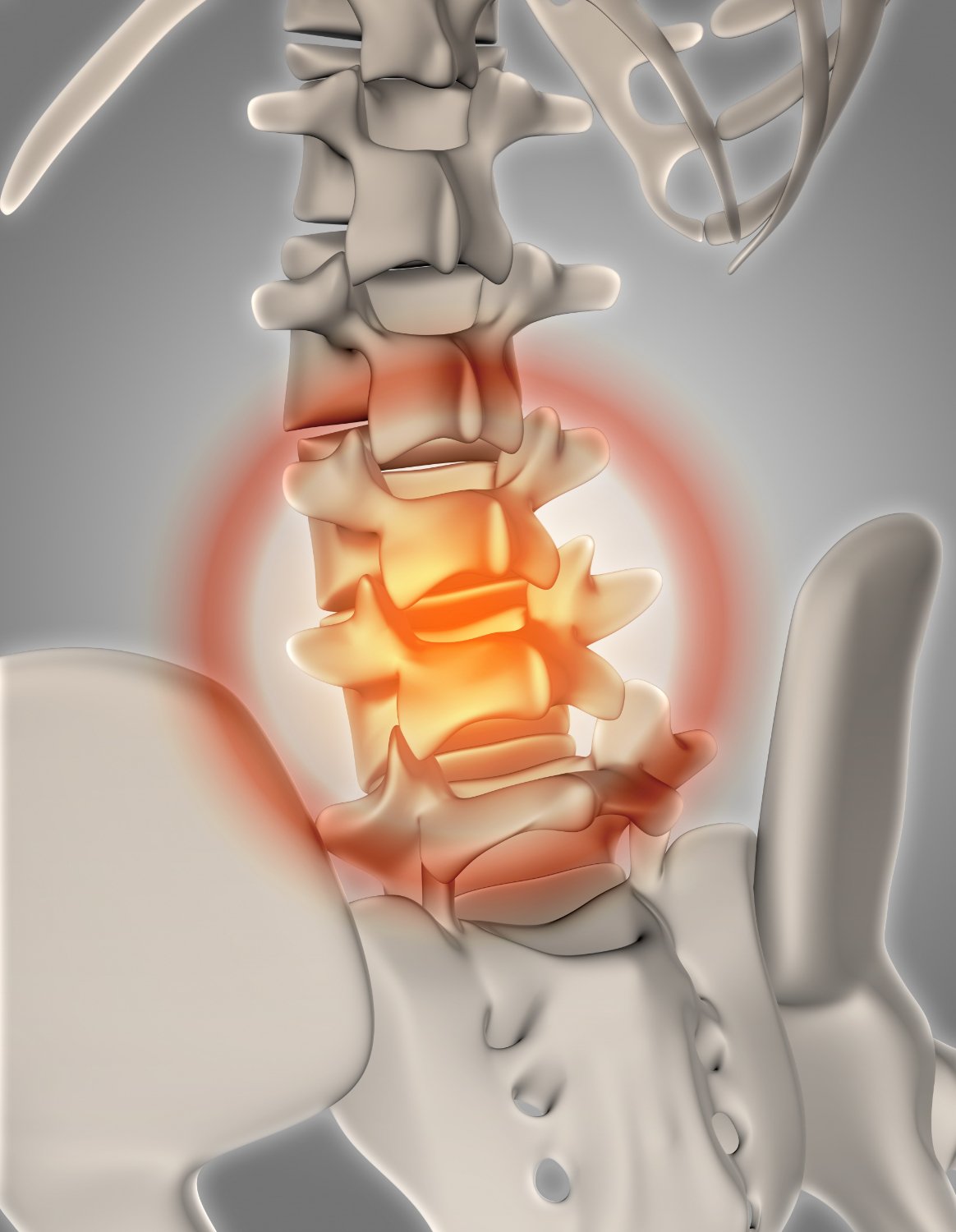
  • Spine & Joint Complications
  • Eye & Organ Complications
  • Rare & Neurological Complications
Ankylosing Spondylitis
DISEASE ONSET

Disease Onset:

AS can lead to the onset of several secondary medical conditions and overlapping autoimmune diseases throughout the body. Because AS is a systemic condition, ongoing immune activity can affect multiple organ systems beyond the spine.

  • Inflammatory Bowel Disease
  • Psoriasis and Psoriatic Arthritis
  • Recurrent Acute Anterior Uveitis (Iritis)
  • Osteoporosis
  • Secondary Osteoarthritis.
  • Cardiovascular Disease
  • Aortitis and Heart Valve Disease
  • Restrictive Lung Disease
  • Secondary Amyloidosis
  • IgA Nephropathy
  • Depression and Anxiety